
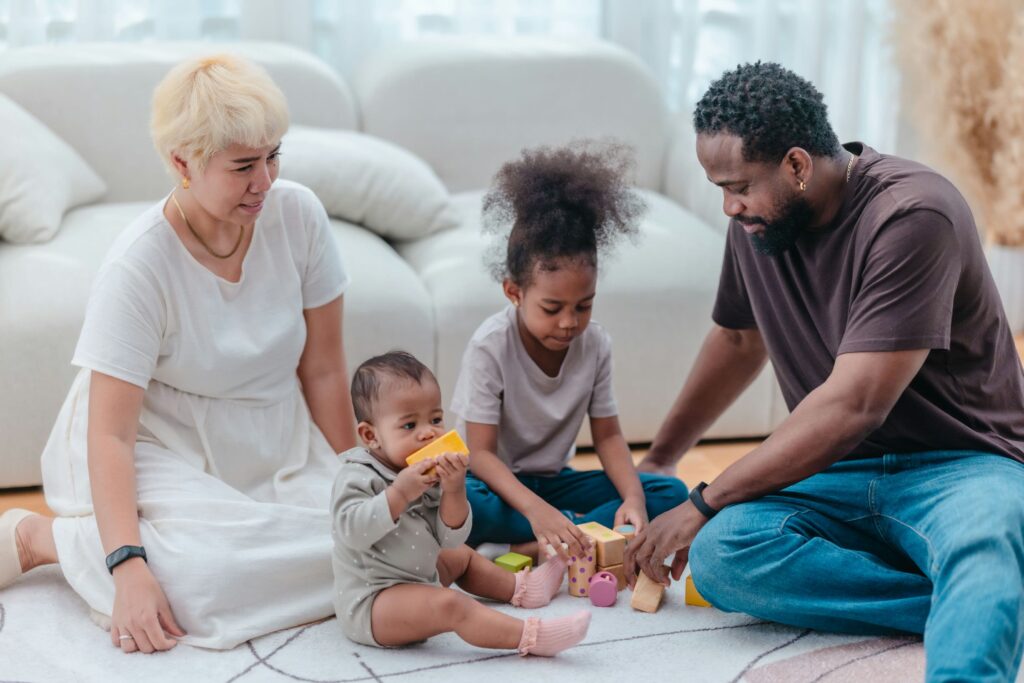
No one plans for their family story to have chapters like this.
You imagined stability, not schedules; connection, not complexity.
And yet — here you are, building something new.
A blended family.
Different homes, different histories, one shared goal: peace.
It’s not always easy. There are awkward transitions, conflicting routines, and sometimes competing loyalties.
But blended doesn’t mean broken.
It means you’re learning how to love, lead, and connect in new ways — with patience, humility, and heart.
Step 1: Let Go of the “Instant Family” Myth
Movies and social media make blended families look effortless.
In reality, it takes time — often years — for new dynamics to find their rhythm.
If everyone isn’t bonding right away, that’s not failure — that’s normal.
Children need safety before connection. They need consistency before affection.
Give space for relationships to develop naturally.
What matters most isn’t speed — it’s sincerity.
Step 2: Define Roles Clearly and Kindly
One of the biggest sources of conflict in blended families is unclear roles.
Who disciplines? Who decides? Who comforts?
Talk openly with your partner about expectations:
- How will we handle parenting decisions?
- What language will we use (“step-mum,” “bonus dad,” or just names)?
- How can we back each other up without overstepping?
You’re building a team — and every team needs clarity to thrive.
Step 3: Honour the Kids’ Pace
Children in blended families often feel torn between loyalty and curiosity.
They may like their new step-parent but feel guilty showing it.
They may resist connection out of fear that someone else will be hurt.
Your job isn’t to push — it’s to be steady.
Say things like:
“It’s okay to take your time.”
“You don’t have to like me right away — I’ll still be kind to you.”
Respect their pace, and trust that consistency will build connection over time.
Step 4: Protect Couple Time Without Excluding the Kids
The couple relationship is the foundation of any blended home — but it can easily get lost in the chaos of logistics.
Make time to connect privately with your partner, not just as co-parents but as companions.
That connection helps you lead with calm and unity — and kids sense that steadiness.
But remember: balance matters. Children need to feel included and valued, not replaced or sidelined.
Both/and is the goal — strong couple, safe family.
Step 5: Communicate With Curiosity, Not Control
Blended families work best when communication is frequent, respectful, and flexible.
Things will go wrong. Feelings will get hurt. That’s part of it.
When conflict arises, use curiosity:
- “What part of this feels hardest for you right now?”
- “What do you need to feel comfortable?”
You can’t solve everything, but you can listen deeply.
And often, that’s what heals the most.
When You Need Support
Blending families is one of the hardest — and most rewarding — transitions after separation.
It takes courage, patience, and guidance.
At Relationship Matters, we help parents and step-parents navigate these new dynamics with confidence and compassion:
- 1:1 Coaching — for personalised guidance through step-family boundaries, communication, and co-parenting integration.
- Group Coaching — for shared wisdom and support from others walking the same path.
- Self-Guided Courses — using our RESET to RISE™ framework to help you regulate, rebuild, and rise through the complexities of blended life.
Because your family isn’t broken — it’s evolving.
Next Step
If you’re navigating blended family challenges and want to create calm and connection in your home, we can help.
Visit www.relationshipmatters.co to explore 1:1 Coaching, Group Coaching, and the Separation Survival Series — practical, compassionate tools for building trust and peace in your new family chapter.
Blended families aren’t about perfection — they’re about patience, love, and steady leadership.